


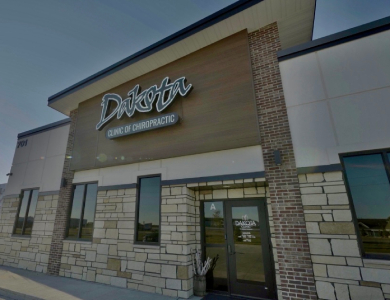
Address:
701 32nd Ave W Suite A
West Fargo, ND 58078


Is Spinal Decompression Right for Sciatica Pain?

Sciatica refers to pain that travels along the sciatic nerve, usually from the lower back through the hip and down one leg. It often develops when a spinal disc, narrowed space in the spine, or joint irritation places pressure on a nerve root. Symptoms can include sharp pain, tingling, numbness, or weakness that makes daily movement harder. Spinal decompression is a non-surgical therapy designed to gently stretch the spine in a controlled way. The goal is to reduce pressure on compressed discs and nerves while improving movement in the lower back. For some people with sciatica, this can help decrease irritation and support the body’s natural healing process. Spinal decompression may be worth considering if your sciatica is related to a herniated disc, bulging disc, or disc degeneration. It can be helpful for patients who have ongoing lower back and leg pain but want to try conservative care before considering more invasive options. A thorough evaluation matters first. Sciatica can have different causes, and the right treatment depends on what is actually creating the nerve pressure. You may be a candidate for spinal decompression if you have: Pain that radiates from the lower back into the leg Numbness or tingling associated with sciatica Symptoms that get worse with sitting or bending Recurring flare-ups that affect work or activity Limited relief from rest, stretching, or basic home care Spinal decompression is not ideal for every patient. Some cases of sciatica require a different treatment approach, especially if symptoms are caused by severe spinal instability, fracture, certain medical conditions, or advanced neurological issues. That is why a professional exam is so important. The best care plan should match your diagnosis, symptoms, and overall health. Sciatica treatment should not rely on a one-size-fits-all plan. In many cases, spinal decompression works best as part of a broader strategy that may also include chiropractic care, mobility work, posture guidance, and supportive therapies. The goal is not just to reduce pain for a few days, but to improve function and help prevent future flare-ups. If sciatica pain is affecting your comfort, mobility, or routine, the next step is getting the source of the problem evaluated. A proper assessment can determine whether spinal decompression is appropriate and what type of care is most likely to help you feel better. Contact Dakota Clinic of Chiropractic in West Fargo, ND by calling (701) 566-5455 to schedule an appointment. How Spinal Decompression Works
When It May Be a Good Option
Signs You May Benefit From Treatment
When It May Not Be the Right Fit
A Personalized Approach Matters
What to Do Next
© 2026 Dakota Clinic of Chiropractic. All rights Reserved - Accessibility Statement - Privacy Policy
Powered by
